
Haddock vs cod: Key differences buyers need to know
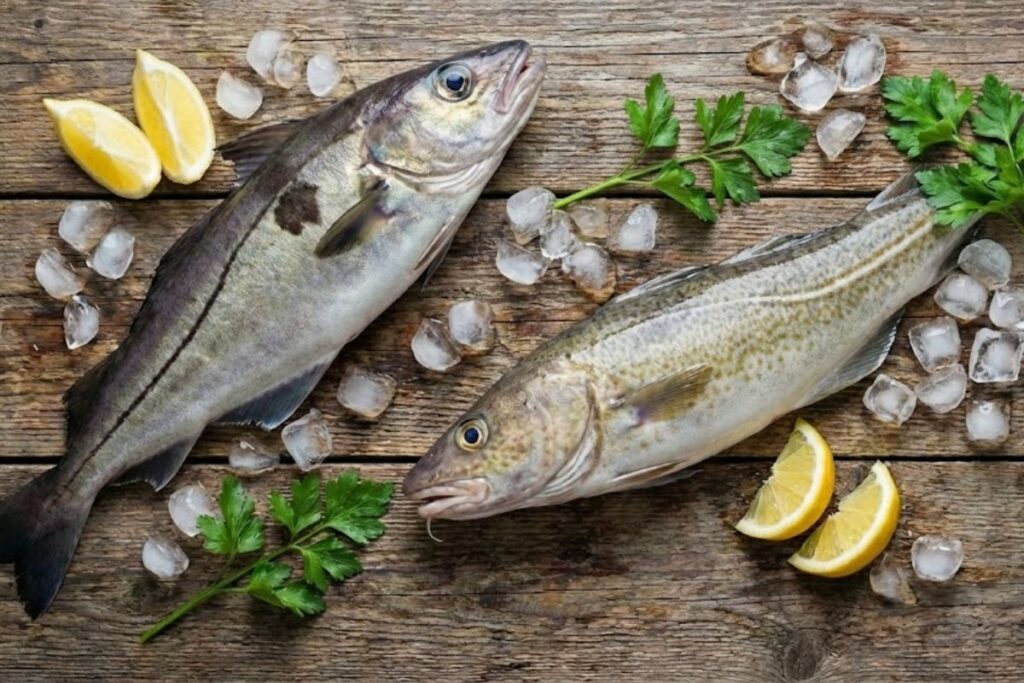
As a Portuguese-American fishing family, the Canastras grew up around cod. In Portugal, bacalhau is a huge part of the culture. People love to say Portugal has a cod recipe for every day of the year (although there are actually way more than 365). But in today’s seafood market, the haddock vs cod conversation is less about nostalgia and more about availability, consistency, and planning. Both species play important roles in retail cases and on menus. But behind the scenes, their supply chains, pricing dynamics, and sourcing realities have diverged in ways that matter for buyers. Haddock and cod: Similar roles, different species Haddock and cod often appear interchangeable. Both fall under the broad category of whitefish and share similar culinary uses, especially in familiar dishes like fish and chips. Atlantic cod ranks among the most widely recognized whitefish in global trade, while haddock demand is lower and concentrated in more specific regions. From a culinary standpoint, haddock vs cod comes down to subtle but important differences. Cod offers a very mild, clean flavor with large, tender flakes. It performs well in simple preparations where the fish itself takes center stage and has long been favored for baked dishes and traditional recipes. Haddock brings a slightly sweeter flavor and a firmer texture. Its flake structure holds together well during cooking, making it especially reliable for frying, chowders, and higher-volume applications where consistency matters. For chefs and product developers, these differences affect not just taste, but how the fish behaves during preparation and cooking. Availability, stability and pricing This is where the haddock vs cod conversation has shifted most in recent years. “We grew up with cod on the table,” says Canastra Fishing Co. CEO Cassie Canastra Larsen, “So we respect what it means to people. We also respect what buyers need today.” Atlantic cod stocks in the Gulf of Maine and Georges Bank remain under heavy management pressure, with quota restrictions and rebuilding efforts limiting consistent supply. The story is the same in international fisheries. In late 2025, Norway and Russia agreed to the lowest Arctic cod quota since 1991—a decision reflecting years of quota reductions and stock management pressures. Haddock, by contrast, has benefited from more stable stock conditions in New England waters. Managed under the same federal oversight, haddock has delivered more predictable domestic availability for U.S. buyers who need dependable volume. For procurement teams, this difference often determines whether a species can support long-term programs or serve only as a short-term solution. RELATED: The domestic wild-caught whitefish species buyers need to watch Cod’s supply constraints have made costs more volatile, driving prices above $10,000 per ton in late 2025. Global demand, quota limits, and import reliance continue to complicate long-term planning, especially for retail and institutional buyers. Haddock has increasingly emerged as a practical alternative. Its domestic sourcing, steadier landings, and reliable management frameworks help buyers forecast costs with greater confidence. In wholesale procurement, that predictability often outweighs familiarity when margins and consistency are on the line. Domestic sourcing and buyer confidence Domestic sourcing plays a growing role in the haddock vs cod decision. The United States imports nearly 80 percent of its seafood. However, U.S.-caught haddock offers buyers clearer documentation, stronger traceability, and alignment with institutional and retail sourcing requirements. With fewer handoffs and shorter supply chains, domestic whitefish sourcing reduces risk around compliance, labeling, and quality variation. For buyers navigating audits, reporting standards, or public contracts, those advantages can be decisive. “When supply tightens, the details matter—handling, consistency, documentation. That’s where domestic sourcing helps,” says Cassie. RELATED: Why domestic seafood creates a more reliable supply chain When cod makes sense, and when haddock does Cod still makes sense for premium applications, heritage dishes, and menus where its identity carries value (assuming supply is available and pricing aligns). Haddock, however, often proves better suited for programs that prioritize: Understanding these trade-offs allows buyers to make informed decisions rather than defaulting to tradition. RELATED: Whitefish wholesale: Why ‘domestic vs imported’ no longer tells the full story Choosing the right whitefish for today’s programs Knowing how these species differ—in flavor, sourcing, availability, and stability—helps procurement teams build programs that hold up over time. Sometimes that means sticking with cod, but increasingly, it means recognizing where haddock offers a smarter path forward. Even for a family raised on cod, adapting to what the water gives you has always been part of fishing life. Ready to compare specs and availability for your next whitefish program? Drop us a line to discuss what is consistently landing in New Bedford.