
Why fair commercial fishing wages matter for U.S. seafood supply
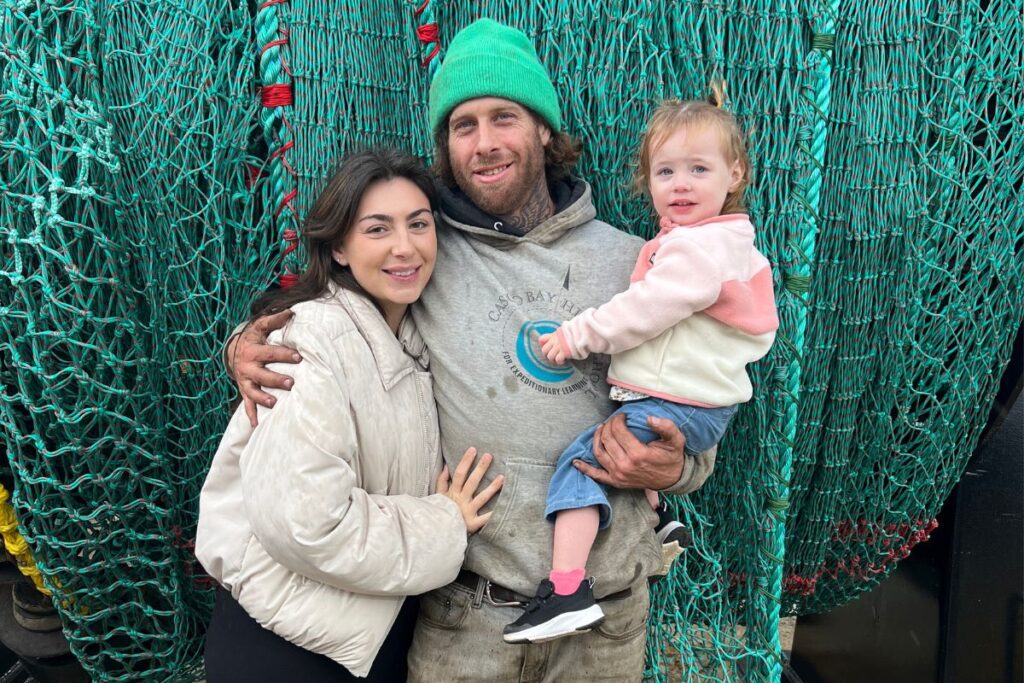
Forklifts trundle across the concrete. Ice rattles down metal chutes. And as the New Bedford crews sort scallops into bins and pack redfish in ice, you’ll hear fishermen talking through the realities of the job—long hours, rising costs, and the constant pressure of making a living in the nation’s top-value port. Commercial fishing remains one of the toughest jobs in America. Crews juggle unpredictable conditions, fluctuating quotas, and the rising cost of keeping a vessel ready for another trip. Their income depends on a share system that rewards strong landings but absorbs every hit that comes with a difficult season. For years, New Bedford’s seafood display auction, BASE, brought structure and transparency to that system. The Canastra family helped build it so fishermen could earn a fair price based on open competition, not backdoor deals. But even the strongest systems face pressure when deep-pocketed outside interests work around them. The strain on commercial fishing wages no longer comes from the sea. It comes from big corporate ownership tightening margins on the people doing the hardest work. “When you let private equity dictate prices, crews lose control over their own future,” says Canastra Fishing Co. CEO Cassie Canastra Larsen. “And that’s when communities start to crack.” The port of New Bedford: High value, local pressure New Bedford has held the title of America’s highest-value fishing port for more than two decades. The numbers rise on spreadsheets, in annual NOAA reports, and across headlines highlighting the city’s dominance in scallops. But on the docks, that success feels different. Fuel climbs. Maintenance climbs. Insurance climbs. Regulations shift. Markets swing. Even in a port known for its strength, the margin between success and struggle is thinner than most people realize. Every year, fleets work harder to adapt to pressures far beyond their control, keeping the waterfront moving one trip at a time. And if we don’t look after this vital community, the nation’s supply chain will soon suffer. How fair commercial fishing wages protect supply chain quality and stability The quality that New Bedford is known for doesn’t come from luck. It comes from crews who know how to work the gear, protect the catch, and keep a trip productive even when conditions turn. Fair commercial fishing wages help keep those crews on the water. In fact, a stable, well-paid team brings consistency to everything that matters to buyers. Handling Experienced crews know when scallops need to hit the ice and how to stack bags without crushing product, protecting both texture and color. Traceability Long-standing crews maintain clean logs and understand the compliance expectations that come with domestic sourcing. Catch efficiency Good crews fish smarter and bring in steady landings season after season. Quality control The same set of hands performing the same processes produces predictable size, flavor, and appearance. For hospitality buyers, that consistency means stable menus and fewer substitutions. For institutional buyers, it means domestic supply that meets documentation standards and avoids the political and logistical risks tied to imports. Strong commercial fishing wages don’t just support the workforce; they support the reliability buyers count on every week. Community impact: Protecting New Bedford’s families Walk a few blocks from the waterfront, and you’ll see why this conversation matters beyond the docks. New Bedford’s neighborhoods are shaped by families who trace their roots to Portugal, the Azores, and Cape Verde—alongside newer immigrant communities from places like Guatemala, who now play an essential role in the city’s fishing and seafood economy. The working waterfront ties all of these histories and cultures together. New Bedford is a city where tradition runs deep. A strong paycheck doesn’t just keep a crew member afloat; it keeps working boats in family hands, supports local shops, and helps the next generation stay connected to a trade their parents and grandparents built. And when nearly one in five residents lives below the poverty line, every trip matters for the neighborhoods built around the waterfront. That’s the philosophy at Canastra Fishing Co. “We want families to stay on the water,” says Cassie. “Our goal is to support the fleet, strengthen the port, and make sure fishermen are rewarded for the work they do. We’re here to build something that lasts for the people who built this harbor.” When commercial fishing wages sink, the next generation doesn’t just leave the industry—they leave ownership behind. And when a family can’t keep a boat running, that vessel rarely sits idle for long; it usually gets sold. Increasingly, those sales go to large outside corporations with no ties to New Bedford. Once that happens, the value of the boat, the quota, and the revenue it generates leave the community entirely. Local wealth moves into the hands of companies that treat the fleet as an investment vehicle rather than a piece of the city’s identity. “When a family loses a boat, the whole community loses a piece of itself,” Cassie says. A stronger seafood industry starts with the people who bring the catch home, and supporting them starts with choosing suppliers who refuse to compromise on pay. Fair commercial fishing wages strengthen communities. Strong communities keep fleets alive. And strong fleets protect the future of American seafood. If you want seafood that delivers consistency, clarity, and genuine traceability, start with the fleets that prioritize fair pay. Canastra Fishing Co. builds its entire model around supporting the crews who make our product possible—and the buyers who depend on it. Explore our products or start a conversation with our friendly sales team today.