
Jonah Crab vs. Dungeness Crab: What Seafood Buyers Need to Know
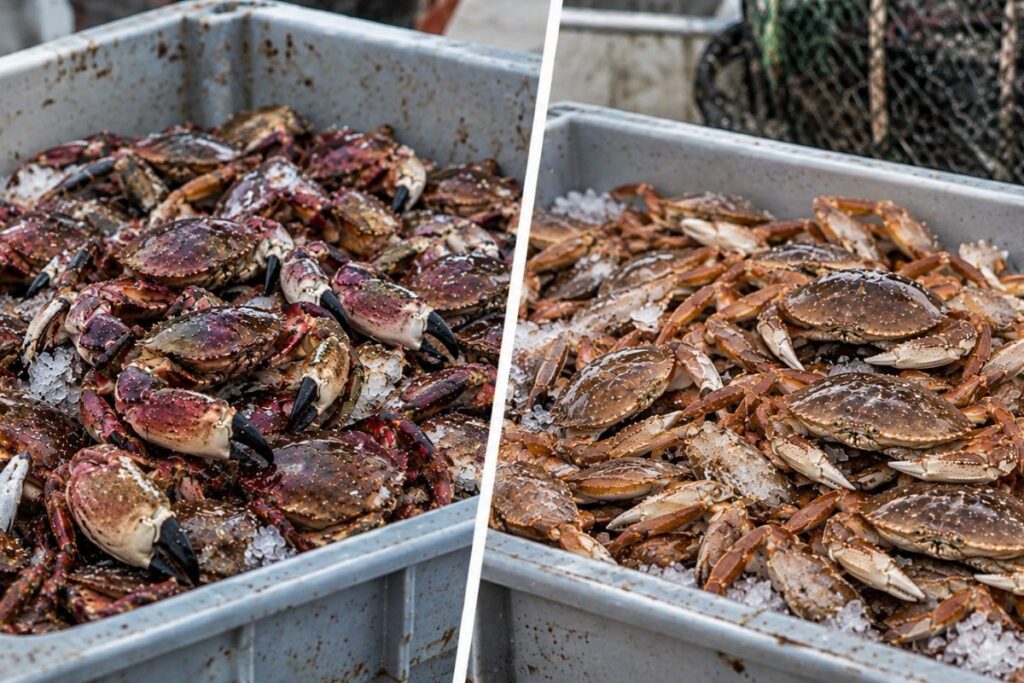
For years, Dungeness crab has had the name recognition. Jonah crab, meanwhile, has remained one of New England’s more overlooked species—even as it has become an increasingly valuable part of the region’s commercial fishery. Both offer sweet, flavorful meat, but for seafood buyers, choosing between them comes down to more than familiarity. Product format, sourcing, availability and how the crab ultimately fits the menu all matter. For buyers seeking premium crab options, Jonah stands alongside Dungeness as a top-tier choice, with the added appeal of a distinctly New England story. Where Jonah crab fits into the crab conversation Jonah crab is a Northwest Atlantic species found from Canada to Florida, with a commercial fishery spanning Maine through Virginia. It was historically caught as an incidental catch in the American lobster fishery before becoming a targeted commercial species. Dungeness crab comes from the Pacific Coast, with nearshore habitat extending from Alaska to Mexico and commercial fisheries along the West Coast. Same country, very different fisheries. For buyers, those differences show up in everything from sourcing and availability to product format and menu use. Here’s how they compare: Attribute Jonah Crab Dungeness Crab Scientific name Cancer borealis Metacarcinus magister Region Northwest Atlantic, commercial fishery from Maine through Virginia Pacific nearshore habitat from Alaska to Mexico. U.S. commercial fisheries include California, Oregon and Washington Typical market formats Whole live crab, fresh/frozen leg meat, frozen triple-scored claws; frozen whole claws, frozen mince meat, custom specifications Live, fresh whole-cooked, frozen whole-cooked, frozen sections/clusters, fresh or frozen picked meat, and fresh or frozen “fry legs” (picked leg meat) General flavor/texture Jonah crab as sweet and briny, with soft, juicy leg and body meat and a rich crab flavor Sweeter than snow or king crab and mild, with tender body meat and slightly firmer leg and claw meat Common applications Crab rolls and sandwiches, crab cakes, pasta, risotto, sauces, chowders, bisques, tacos, bowls, salads, stuffed fish, mushrooms and gratins Eaten whole or cracked and served steamed, chilled or roasted. Also used in soups, crab cakes and salads. Sourcing story Domestic Jonah crabs landed in the Gulf of Maine. Canastra Fishing Co. identifies it as a “Product of USA” option and connects the fishery to local New England communities Pacific Coast fishery managed across California, Oregon and Washington, with domestic Dungeness crab supporting a major West Coast fishery Bottom line for buyers: The choice between Jonah and Dungeness comes down to more than species. Each has its own sourcing story, product formats and strengths on the menu. Jonah crab vs. Dungeness: Flavor and texture Jonah crab and Dungeness crab are both sweet, but they serve somewhat different purposes in the market. Jonah crab has a sweet, briny profile, with soft, juicy leg and body meat and a richer crab flavor. Dungeness is generally described as sweet and mild, with tender body meat and slightly firmer leg and claw meat. The bigger distinction for buyers is how the crab will be used and sold. Dungeness has a strong whole- or cracked-crab identity, making it a natural choice when the presentation of the crab itself is part of the product. Its milder, delicate flavor also works well when buyers want the crab to remain subtle. Jonah, meanwhile, can make more sense when the crab is being used as an ingredient rather than sold primarily for whole-crab presentation. Its richer crab flavor can stand out in prepared dishes, while its range of commercial formats gives buyers more flexibility. Jonah is available in formats including leg meat, combo meat, minced meat, whole crab, scored claws, cocktail claws and Empress claws. That versatility makes Jonah particularly well suited to applications such as: For buyers, that means Jonah can be an attractive choice when they need consistent crab meat for recipes, prepared foods or menu applications without relying on whole-crab presentation. The variety of formats also allows buyers to match the product to the application instead of paying for a format they don’t need. There is also a sourcing consideration. Jonah crab offers a domestic sourcing story, including Gulf of Maine supply, Product of USA positioning and a direct connection to the fishing fleet. For buyers looking for a versatile domestic crab option across multiple product formats, that combination can make Jonah particularly compelling. Ultimately, Dungeness shines in applications where whole or cracked crab is part of the appeal, while Jonah stands out for flavor, format flexibility and ingredient versatility. Format can change the whole equation A whole crab program is a different business from one buying picked meat for prepared foods. Canastra Fishing Co. offers Jonah crab as whole live crab, fresh or frozen leg meat, frozen triple-scored claws, frozen whole claws, and frozen mince. Dungeness is typically available as live crab, whole-cooked crab, sections or clusters, and picked meat. That gives buyers different ways to build the product into a menu or retail set. A restaurant serving shell-on crab has different needs from a processor making crab cakes. A prepared-food operation may value picked meat while a plated seafood program may want the whole-crab presentation. The product’s format should drive the comparison as much as the species. Availability matters The crab a buyer wants on paper isn’t always the crab available in the format and volume needed for a program. Jonah crab landings have varied across its management areas, and the fishery is subject to management through the Atlantic States Marine Fisheries Commission. Dungeness is also a managed fishery, but its sourcing picture is broader than California alone. Buyers may source Dungeness from Washington, Oregon, Alaska, California or Canada, including British Columbia, depending on the fishery, season and available supply. In some areas, seasonal openings can also be delayed or restricted by factors such as whale and sea turtle entanglement risk, domoic acid levels and pre-season meat quality testing, all of which can affect the timing and availability of supply. For buyers, that means country and harvest origin are important details to confirm when sourcing Dungeness. A Dungeness product is not