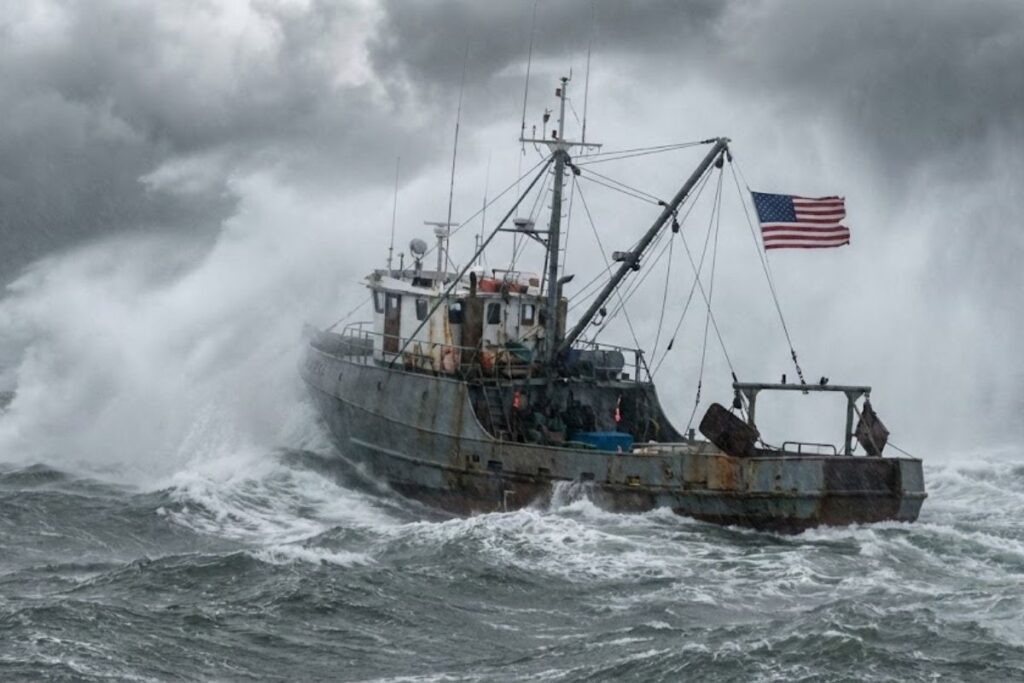
Raymond Canastra has kept a close eye on New Bedford Harbor, Buzzards Bay and beyond for as long as he can remember.
Some mornings, the horizon stays friendly, and the fleet heads out with quiet confidence for their trip ahead. Other days, the clouds drop low, the wind turns sharp, and the swells roll in with a hard, uneven rhythm.
On those days, the seasoned captain and auctioneer makes the same call he has made across decades on this water. He tells the boats to come back in.
“Mother nature controls our lifestyle,” he says, and he has said it time and time again.
Weather always gets the final vote. Quotas can wait, markets can shout, and schedules can slip, but nobody negotiates with a turbulent sea.
Coming out of a tragic winter
That truth feels even more bitter coming out of a rough winter for the Massachusetts fishing community.
On January 30, 2026, the F/V Lily Jean sank off Cape Ann, and seven lives were lost.
Just over a month later, on March 5, the F/V Yankee Rose capsized and sank near Race Point, leaving one dead and one missing, before the search was suspended.
The Lily Jean and the Yankee Rose sit heavily on the minds of fishing families because they remind everyone on the waterfront of the same hard reality: familiar waters can surprise the most experienced crews.
Sometimes the danger arrives with rough, freezing conditions. Sometimes it arrives on a day that looks almost calm. Heartbreaking losses like these are the reason captains like Raymond watch every shift in weather so obsessively.
When the weather growls, boats listen
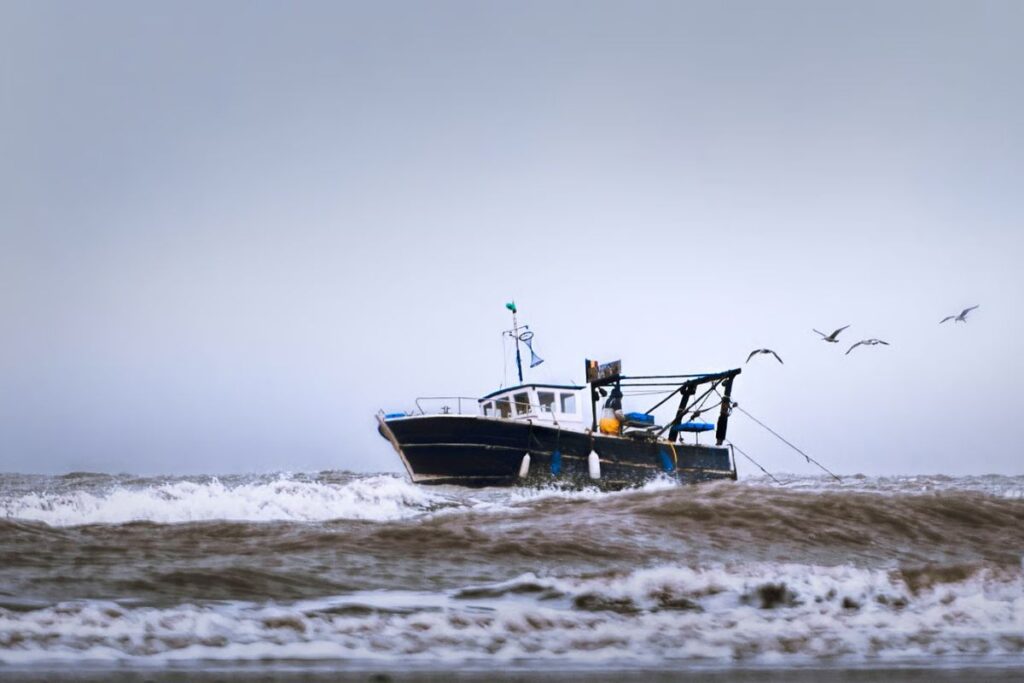
On a working waterfront, captains track wind speed, sea state, icing risk, and visibility before they talk quotas. A forecast may look manageable a few hours prior, then a squall line flips the plan before the fleet can set sail.
The National Institute for Occupational Safety and Health (NIOSH) links severe weather to the majority of vessel disasters in U.S. fisheries. That sobering reality pushes experienced captains to treat storm warnings as a stop sign, not a suggestion.
Modern tools help decision-making. Captains check National Weather Service (NWS) Marine Weather Services Program, buoy readings, and models before committing to trips.
Still, judgment carries the weight; local knowledge tells you how a northeast wind shapes seas outside Buzzards Bay.
When Raymond calls boats home, it’s a decision that protects people, that protects gear, and protects local families so that they can fish again the following week.
MORE: Why fair commercial fishing wages matter for U.S. seafood supply
The very real dangers of bad weather on the water
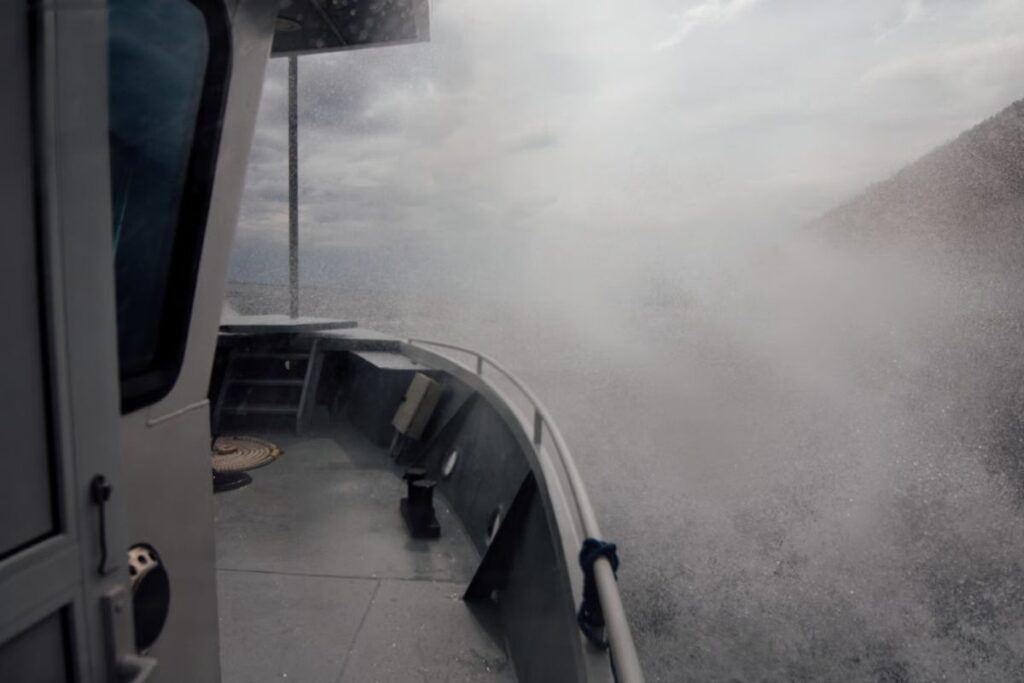
Bad weather doesn’t just slow a trip down, it changes how a boat behaves under your feet.
- Wind can shove a vessel off line, then force hard course corrections that strain gear and test concentration.
- Waves can slam the hull, roll the deck, and turn routine moves into risks that demand management minute by minute.
- Rain and spray cut visibility, so crews lose the small cues that keep work clean and timing sharp.
- Cold snaps bring icing, and ice adds weight high on the boat where stability matters most.
- A wet deck turns slick fast, and one rushed step can send a deckhand into a bad fall.
- Rough seas also make hauling gear harder, because lines surge, blocks swing, and hands stay close to pinch points.
Captains know these patterns, so they treat fishing boats in bad weather like a different machine entirely. When Raymond calls the fleet back, he chooses a quieter dock over a louder ocean that offers no second chances.
RELATED: The Canastra Story: A family name that carries new meaning
When the sea turns deadly, the docks remember
New England crews still talk about the Andrea Gail and the storm that never gave her a second chance.
She left Gloucester in October 1991, and the Halloween nor’easter closed in fast and hard.
The boat never came home. The Perfect Storm put that loss on both the page and screen, but fishermen were already carrying the story with them as they readied themselves for their next trip.
Weather writes the same lesson across coasts, even when the names and latitudes change.
In 1959, the Escuminac disaster killed 35 fishermen after a sudden storm overtook small boats in the Northumberland Strait.
In 1967, a fast squall on Lake Michigan capsized more than 150 small fishing boats during the coho run. Seven died, 46 were injured.
So when Raymond makes the call from New Bedford, he hears history in the wind and puts his people before the day’s catch.
But when he turns boats back, he also turns off that day’s earning power for everyone onboard.
A lost trip feels like lost ground, because bills still land even when fish don’t. Captains have to reshuffle ice, trucking, delivery slots and crew timing, then hope the next window holds.
The decision looks simple from shore, yet it takes nerve when everyone wants a check and a clean trip.
However, in 2010, catch sharing turned the tide of balancing fishermen’s lives with their livelihoods.
Giving fishing boats in bad weather room to breathe
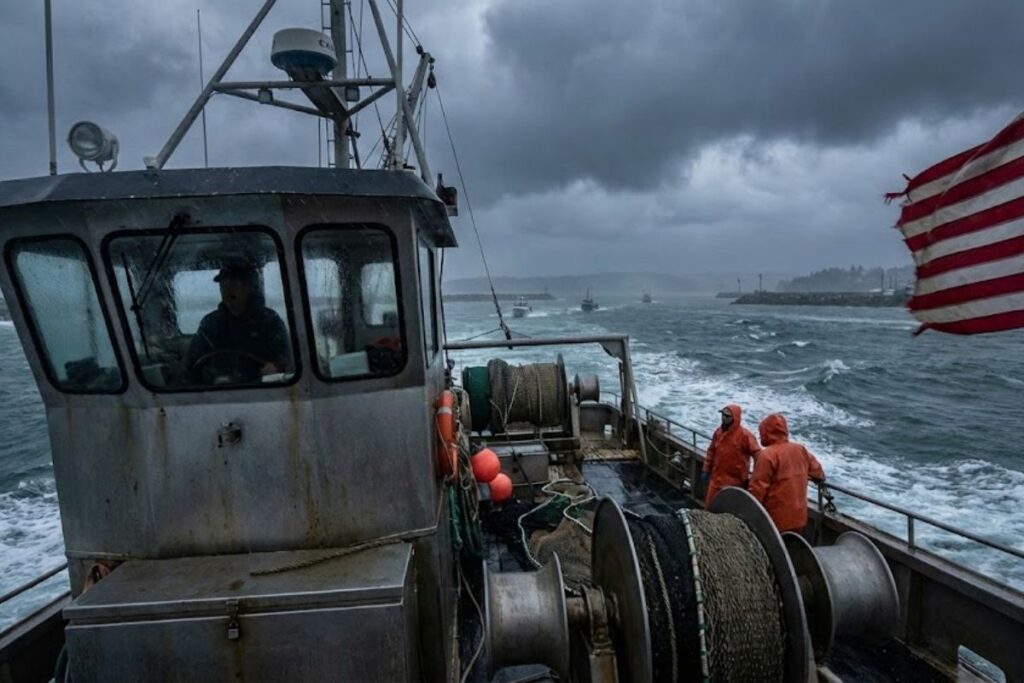
Catch shares work like reserved portions of the yearly catch that managers assign before the season starts.
Instead of racing through a short window, each permit holder, sector, or group fishes against its own allocation.
That structure matters in New England, where NOAA rolled out major catch share programs in 2010. The groundfish sector program arrived through Amendment 16, and it allowed vessels to join sectors or fish the common pool. The Atlantic sea scallop individual fishing quotas IFQ also started in 2010.
Catch shares protect fishermen because they trade urgency for timing, and timing lets captains respect the forecast. When crews control when they fish, they can skip rough days instead of forcing trips into marginal conditions.
NOAA has tied that flexibility to real behavior changes, including fewer trips during the stormiest wind days. Research on a West Coast catch share fishery found fishing on the highest wind days dropped by 79 percent.
This doesn’t make the ocean safer, but it does make the safest choice feel possible when pay checks sit on the line. And when captains get that room, they can choose the weather window that brings crews home and boats back out tomorrow.
Seasonal weather patterns shape the whole year
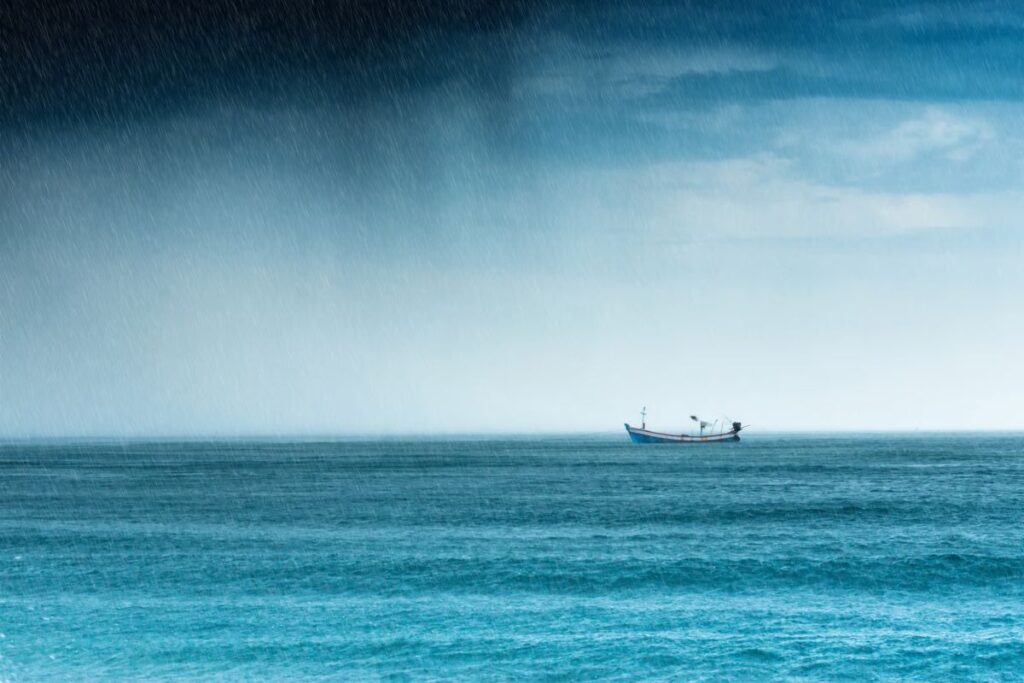
Crews don’t plan trips one at a time; weather teaches patterns across months and years.
In winter, cold air and spray can load ice onto a boat and steal stability fast. In shoulder seasons, fog and fast fronts test visibility, and force captains to slow down or stay in. In summer, crews may chase longer windows, yet they still watch late storms that turn easy seas rough.
Every season creates a different kind of pressure, so the best captains build flexibility into the calendar. This lets a captain wait for a safer day instead of forcing a bad one.
Respecting the weather is part of the craft
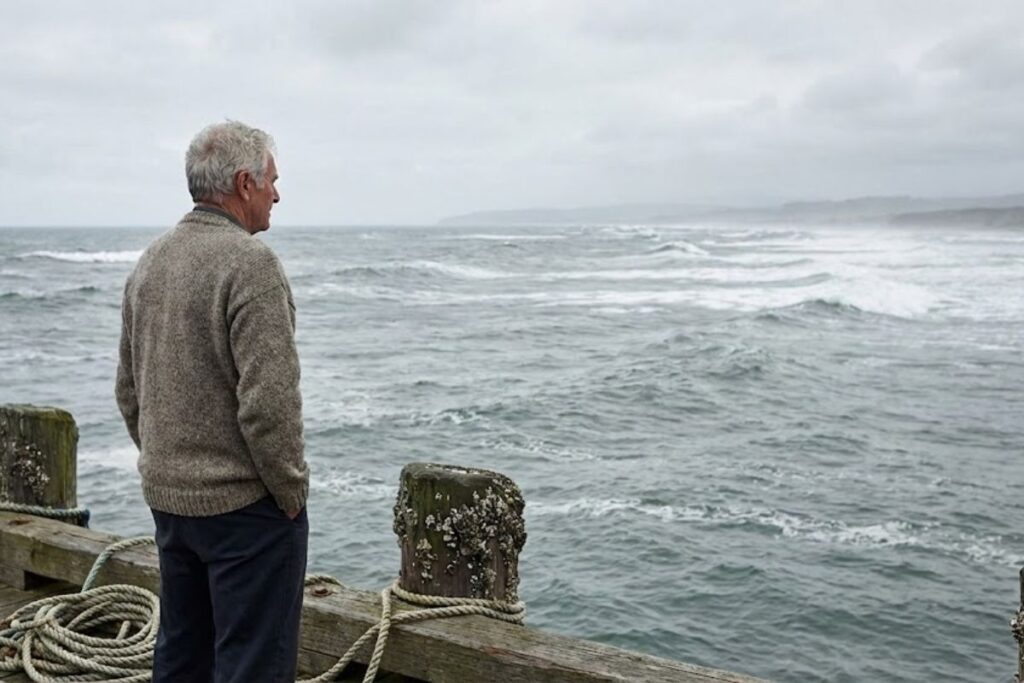
The ocean simply doesn’t care about how good a captain and crew are at navigating the waves.
In fact, knowing when to call it during stormy periods is what sets good captains with long careers apart from the rest.
The Canastra family built their life around the New Bedford waterfront, so weather shaped their calendar as much as any market ever did.
When Raymond repeats the mantra, “Mother nature controls our lifestyle,” he’s doing more than just calling a trip. He’s reinforcing a standard that keeps crews coming home.
For Canastra Fishing Co., a strong season means more than a full hold. It means protecting the crews and families behind it.
About The Author