Seafood shoppers today are asking more serious questions about what they eat, where it comes from and how companies prove their sustainability claims.
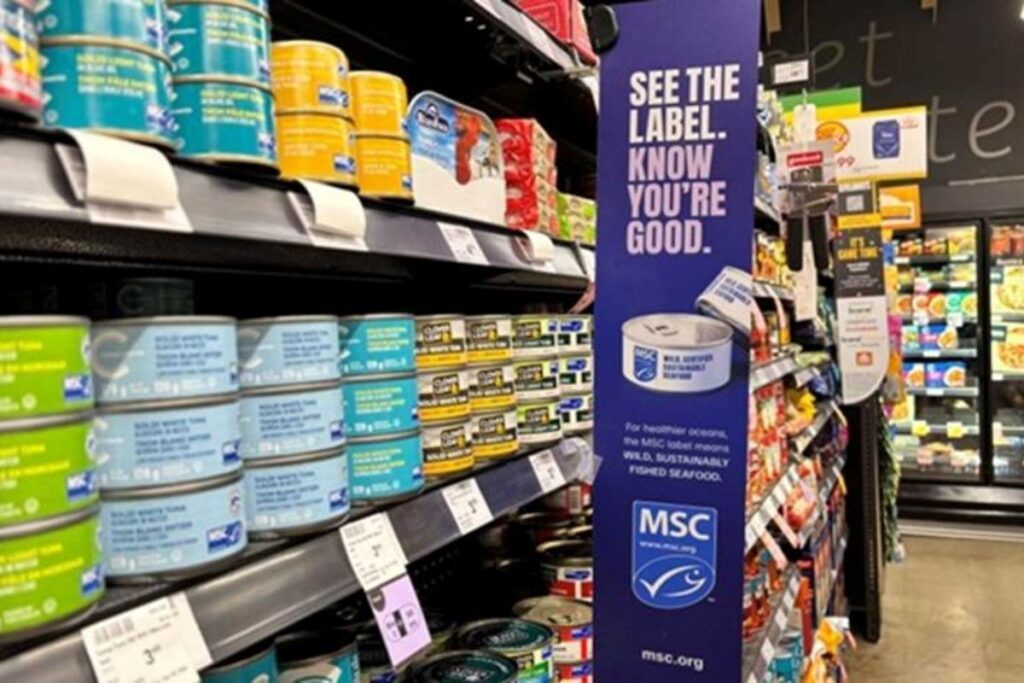
According to a survey by the Marine Stewardship Council (MSC) and GlobeScan, 74% of seafood consumers around the world say brands and supermarkets need to independently verify sustainability claims.
The nonprofit also reports that 58% say seeing the MSC label would make them more likely to purchase a product. And 52% would actually pay more for certified seafood.
For retailers, foodservice teams and seafood distributors, those stats point to a clear commercial reality: consumers are worried about the state of the oceans, believe their seafood choices can make a difference and increasingly expect companies to prove sustainability claims.
Concern for the ocean is changing how shoppers buy seafood
World Ocean Day brings global attention to ocean health each year, but seafood shoppers don’t seem to need the reminder.
The MSC and GlobeScan’s research shows 91% of consumers worry about the state of the world’s oceans, while 64% believe their seafood choices can make a difference to ocean health.
That creates a clear challenge for seafood businesses.
Shoppers and diners care about the ocean, but they still need help turning that concern into a confident purchase. At the seafood counter, freezer case or restaurant menu, they can’t verify every sourcing claim.
They need simple, visible proof that helps them choose quickly.
MORE: How MSC certification strengthens confidence in seafood sourcing
Shoppers demand proof, not soft green claims

“Consumers are increasingly ‘voting with their forks’ for sustainable seafood,” MSC reported in its consumer research.
Nine in 10 seafood lovers may care deeply about ocean health, but they still need to make quick decisions at the seafood counter, freezer case, or restaurant menu.
Words like “responsible,” “ocean-friendly,” and “better sourced” may sound reassuring, but shoppers increasingly want evidence behind the claim. They can’t audit every sourcing claim in the moment. They need something clear, visible, and credible.
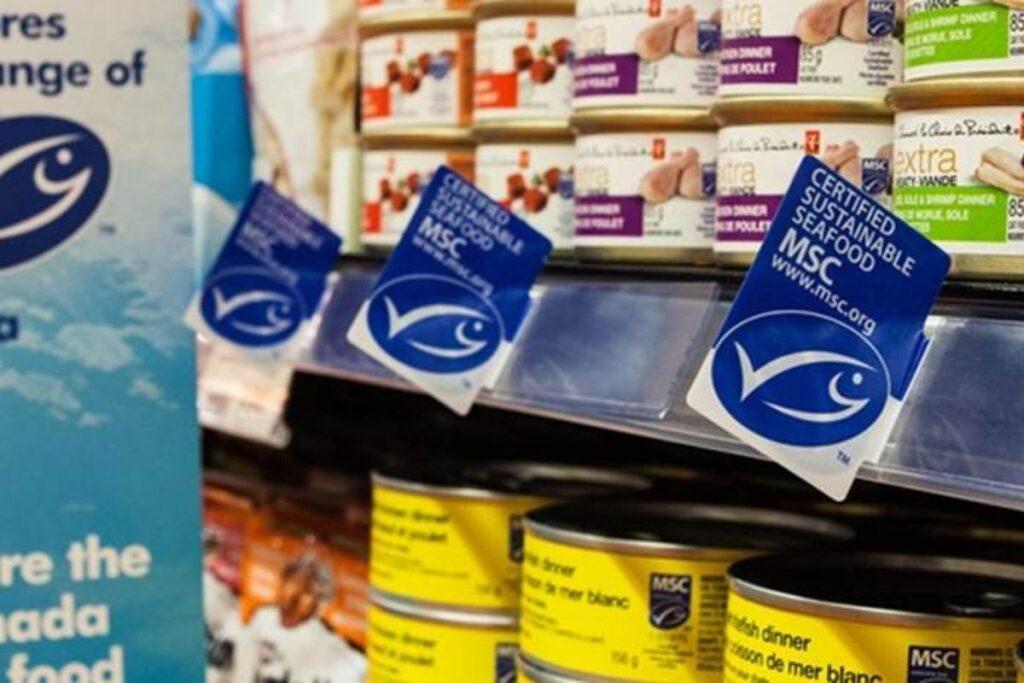
MSC says its blue fish label gives assurance that a product has been independently verified for sustainability. It also points to DNA testing, investigations, and unannounced audits as deterrents against mislabeling.
For Canastra Fishing Co., that proof connects directly to the work behind the product: domestic sourcing, documented supply chains, and seafood that buyers can trace back to real fisheries and real fishing communities.
A label may catch the shopper’s eye, but the story behind it still has to hold up.
A label is only as strong as the supply chain behind it

A shopper sees the label. The buyer has to stand behind it.
Retailers, foodservice teams, and distributors need suppliers who can support the claim with clear documentation, not just good intentions.
If a product carries a third-party sustainability label, the buyer may need to confirm where it came from, how it moved, and whether each handoff protected the certification claim.
That’s where chain of custody becomes commercially important.
It gives buyers a record of how certified seafood moves through the supply chain, from harvest through processing, storage, distribution, and sale. Without that record, a sustainability claim can weaken before the product ever reaches the customer.
A strong supplier should help answer that question quickly and clearly. That means providing documentation, origin details, certification information, and product records that support the story on the label.
“If a customer asks us six months later where a product came from, we can trace it back through bills of lading, invoices and records right to the source,” says Ben McKinney of Canastra Fishing Co.’s operations.
The label gives shoppers a reason to trust the product. The supply chain gives buyers a reason to trust the supplier.
Buyers need sustainability stories they can actually use
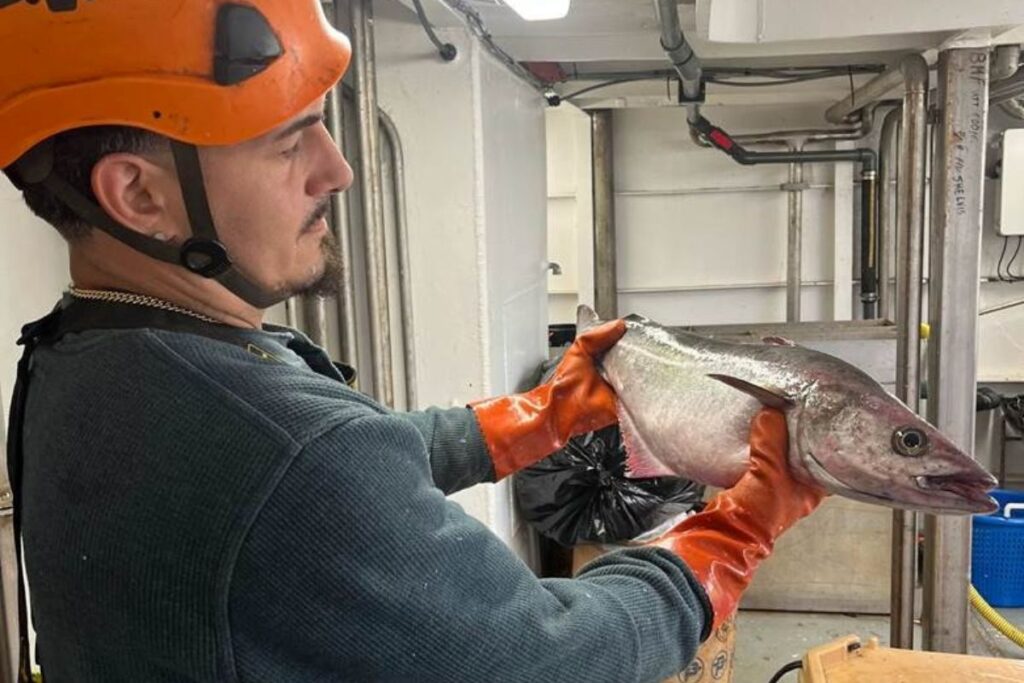
Retail buyers, foodservice teams and distributors need stories their customers can understand at the seafood counter, on a package, across a menu or in a sales conversation.
That’s where some sustainability messaging often falls flat.
They have to turn supply chain detail into a simple customer-facing message without watering it down. A third-party label helps because it gives the claim a recognizable starting point.
But the strongest stories go beyond the badge.
They connect verified sustainability to origin, species, quality, fishing communities and the people behind the product. That kind of detail helps retailers and foodservice teams move sustainability from a policy statement into something customers can see and trust.
For Canastra Fishing Co., that story starts in New Bedford. Domestic seafood, working vessels, documented supply and real fishing families give buyers more than a certification claim. They give them a product story with roots.
When shoppers ask where seafood is from and if it’s sustainable, they increasingly want to know who stands behind the claim.
The strongest labels point back to real accountability
Consumers want to know the seafood in front of them comes from a source someone can stand behind.
A certification can give the first signal, but lasting trust comes when the claim connects to a supplier who can explain the product, show the documentation, identify the source, and answer follow-up questions without hedging.
That’s where shopper expectation and buyer responsibility meet.
“There’s a lot to be said for our story, who we are and the background,” says Cassie Canastra Larsen, CEO of Canastra Fishing Co.
Book a call to learn how Canastra Fishing Co. helps buyers source MSC-certified seafood with clearer documentation and stronger shopper trust.
Looking for traceable domestic seafood backed by documented sourcing and supply chain transparency? Drop us a line.
About The Author