

When seafood reaches your plate, it’s easy to overlook everything that went into getting it there. Behind every catch is a network of ports, fishing vessels, crews, dealers, processors and businesses that keep the seafood industry moving.
In a fishing town, that story is everywhere from the working docks to the markets that connect a local catch with buyers across the country.
These communities offer a closer look at the people and industries that keep America’s seafood supply chain moving. For National Seafood Month, we’re looking at some of the best East Coast seafood towns and what makes their fishing communities worth knowing.
Each has its own history and role in the seafood supply chain. But to understand what makes New Bedford, Massachusetts stand out, you must look beyond the catch to the commercial fishing industry that has shaped the city and continues to drive its working waterfront.
What makes a great East Coast seafood town?
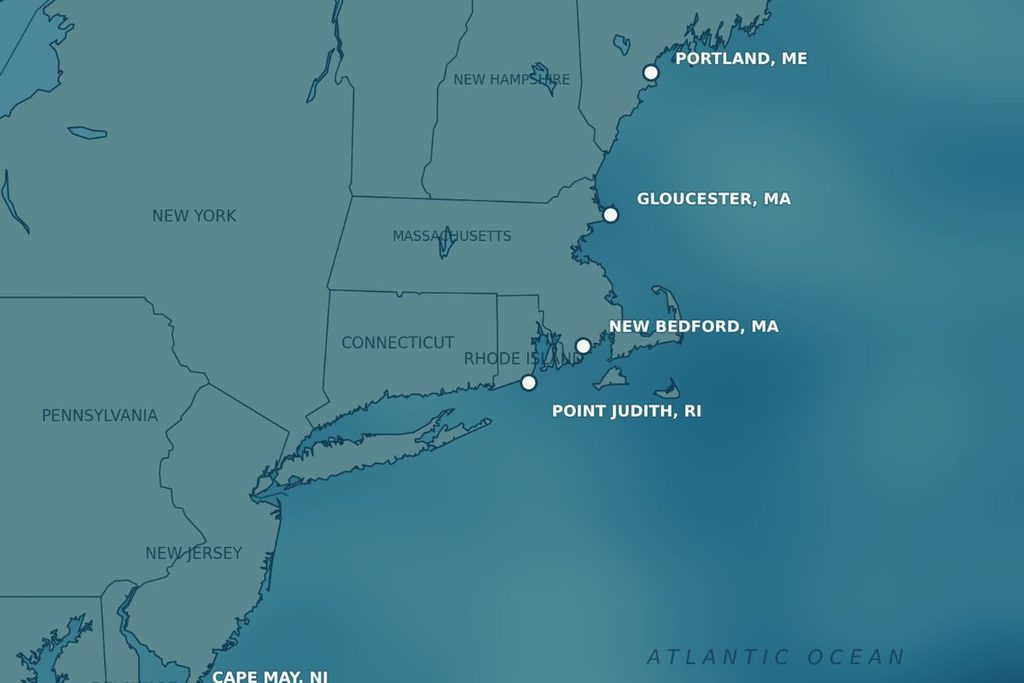
Not every fishing port is known for the same catch or shaped by the same history.
Some communities have built their identities around particular fisheries. Others have become important centers for seafood processing and distribution.
The best seafood towns on the East Coast reflect that variety.
For this selection, we’re looking at more than a town’s “fishing claim to fame.” An active fleet, established seafood businesses, distinctive fisheries and a working waterfront all help tell the story.
So do the traditions that connect generations of fishing families and the infrastructure that allows local businesses to serve markets far beyond their home port.
The towns featured here aren’t a definitive ranking of every East Coast fishing community. Instead, they highlight different aspects of the region’s commercial fishing industry and the history that has shaped it.
Portland, Maine: A working waterfront shaped by Maine seafood
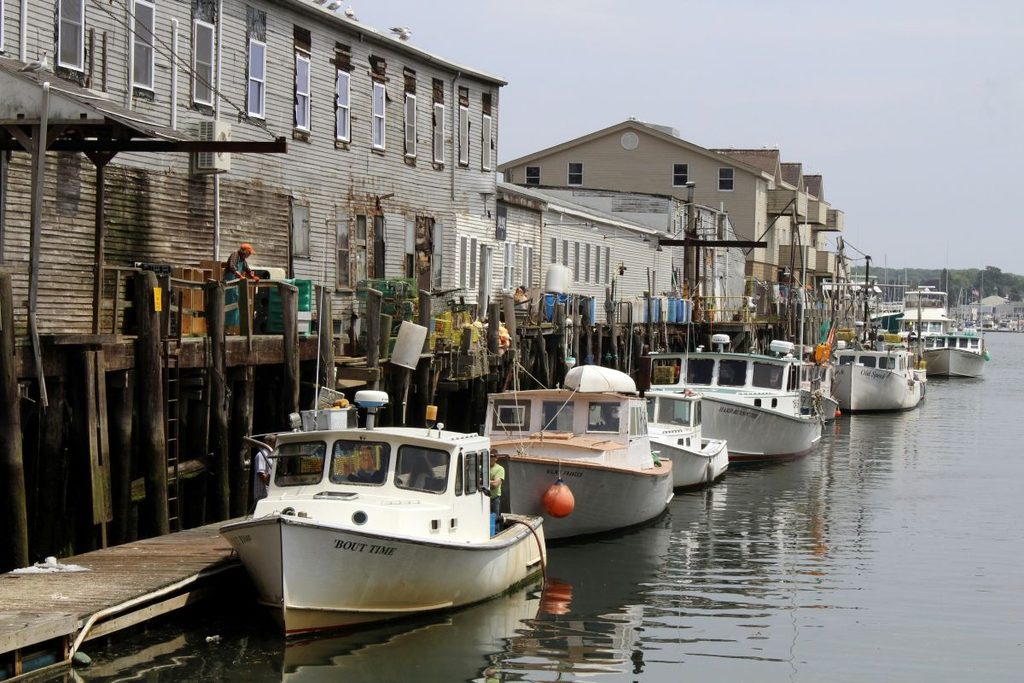
Portland’s waterfront has always served more than one purpose. Along Commercial Street, fishing boats and seafood businesses share the harbor with passenger vessels and other marine operations.
While lobster is perhaps Maine’s most recognizable seafood product, Portland also has a long history in the groundfish industry. Its working waterfront supports commercial fishing vessels, seafood dealers, processors and the Portland Fish Exchange, which connects fishermen with buyers through its seafood auction.
Together, these operations reflect Portland’s identity as a working port, where commercial fishing remains an important part of the city’s broader maritime economy.
Gloucester, Massachusetts: A fishing port built on generations of work
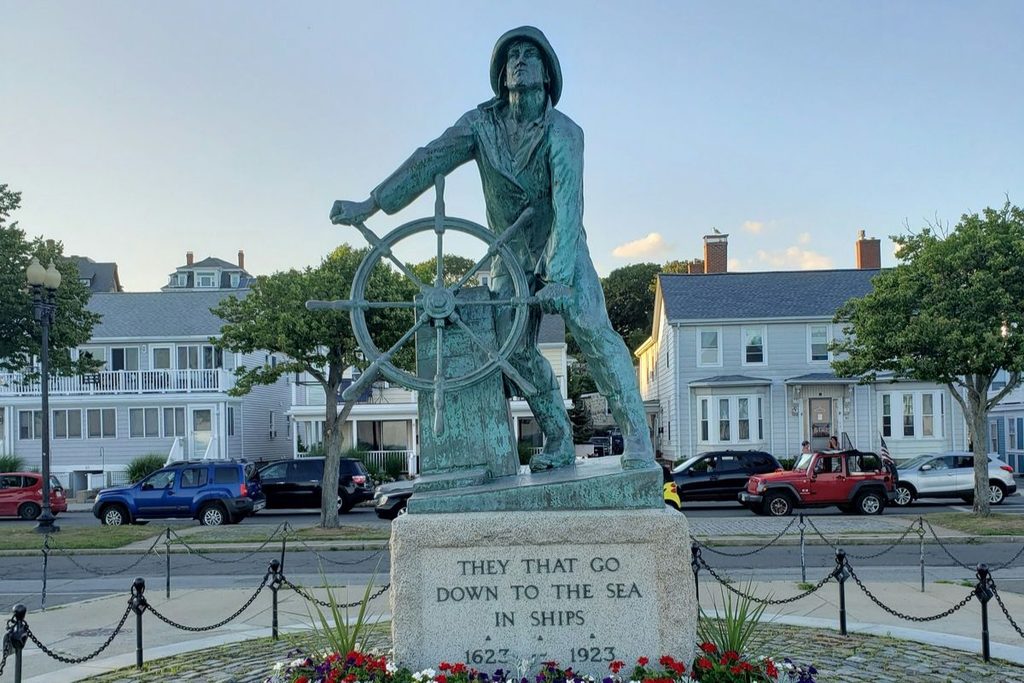
Gloucester’s fishing history dates to 1623, when the city began developing into one of America’s earliest commercial fishing ports. Known for its historic cod and haddock fisheries, Gloucester built its reputation on generations of fishermen who worked the waters of Georges Bank and the North Atlantic.
Today, commercial fishing remains an important part of the city’s identity, supported by a working waterfront of fishing vessels, seafood processors and marine businesses.
Gloucester is also home to NOAA Fisheries’ Greater Atlantic Regional Fisheries Office, connecting the city’s long fishing history with the science and management that guides the region’s fisheries.
Point Judith, Rhode Island: A small port with a diverse catch
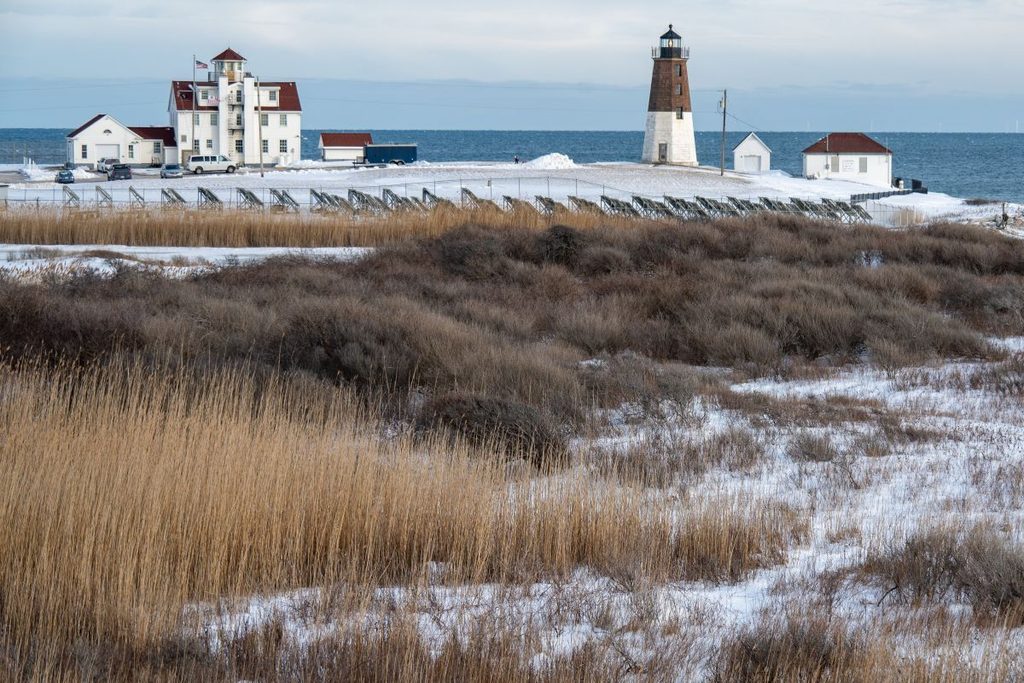
At Galilee, the fishing village beside Point Judith Harbor, squid is a defining part of the commercial catch. The port is one of the largest commercial fishing hubs on the East Coast, supporting a fleet of more than 250 vessels.
But squid is far from the only species landed here. Rhode Island’s fisheries data also identifies sea scallops, lobster, summer flounder, scup and silver hake among the port’s valuable catches. This diversity reflects the range of commercial fishing operations based in Galilee and the port’s importance to Rhode Island’s seafood industry.
Cape May, New Jersey: A Mid-Atlantic commercial seafood hub

Cape May’s commercial fishing industry extends from the harbor to the processing floor.
Here seafood businesses freeze and process the catch landed by commercial vessels, connecting the region’s fishing fleet to markets beyond the Jersey Shore. It is a different side of the working waterfront: the infrastructure that helps turn a landing into a product ready for sale.
Why New Bedford stands out among East Coast seafood towns
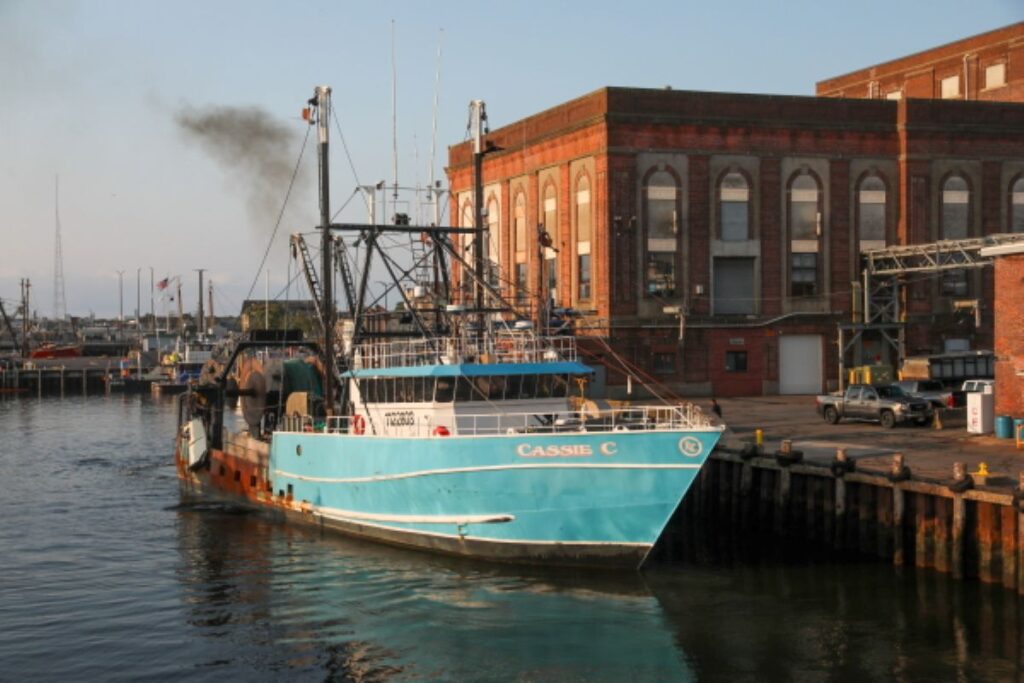
New Bedford is one of the most important commercial fishing ports in the United States, even though it may be less familiar to the public than other New England seafood destinations. Its fishing industry has national significance, a long history and a network of businesses and fishing families that support the seafood trade.
A fishing industry with national significance
New Bedford’s importance is shown in the value of its commercial fishing landings. NOAA Fisheries’ report covering 2023 ranked New Bedford first in the nation for commercial fishing catch value for the 23rd consecutive year. In 2023, the port landed 76.9 million pounds of seafood valued at $363.3 million.
The port’s seafood trade has evolved over generations. A centralized fish auction brought buyers together to bid on landings when it opened in 1941, operating until 1985. Today, sea scallops remain central to New Bedford’s reputation, while groundfish and other fisheries contribute to the port’s commercial seafood industry. Together, the scale of both scallop and groundfish operations can help seafood buyers build reliable supply programs.
For buyers, a dependable supply involves more than a competitive price. They need confidence in the quality and quantity of seafood available, as well as the consistency of that supply over time. A port with an established fishing fleet and seafood businesses can help buyers develop the relationships needed to meet those requirements.
Scallop prices also change with supply, size, quality and yield. Our guide to New Bedford scallop prices explains the factors that influence the market.
A working waterfront built to move seafood
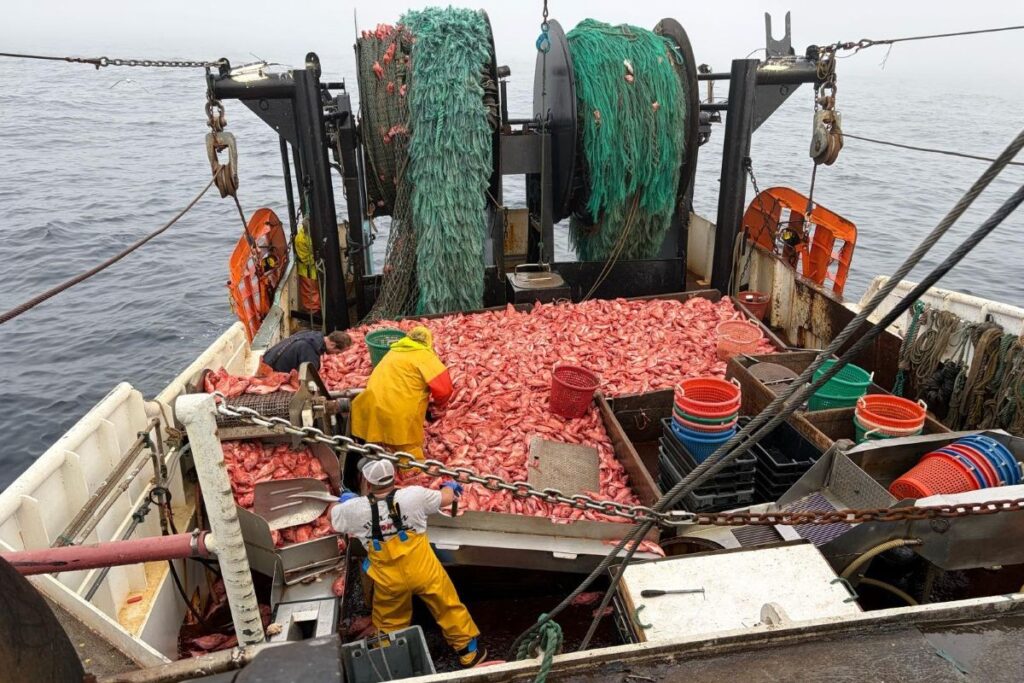
New Bedford’s fishing industry depends on a network of businesses that support vessels and handle seafood after it is landed. Fuel suppliers, ice companies, mechanics, net menders, processors and auction workers all contribute to the operations that allow fishing vessels to go to sea and bring their catch to market.
These businesses depend on one another. Fishing vessels need shoreside services to operate, while the companies providing those services rely on a working fleet. The New Bedford Fishing Heritage Center documents the skilled trades and businesses that support the port, including services that attract vessels from other parts of the East Coast.
This network also matters to seafood buyers. Canastra Fishing’s relationships with the fishing fleet provide insight into where vessels are fishing and how the catch moves from landing to sale. That connection helps the company understand the product it brings to market and work with buyers on their sourcing needs.
A living fishing culture
New Bedford’s fishing industry has been shaped by generations of fishing families and immigrant communities. People with Portuguese and Azorean, Norwegian, Irish, Polish, Vietnamese, Mexican and Central American roots have contributed to the industry, working at sea, processing seafood and supporting the businesses along the waterfront.
For the Canastra Fishing family, New Bedford’s fishing industry is part of their own history. Raymond and Richard Canastra established their seafood auction in 1994, building a business around the port and the people who bring seafood to the market.
That connection continues today through Canastra Fishing’s relationships with the fishing fleet and the wider community that supports it. New Bedford’s fishing story isn’t just about the seafood landed here; it’s also about the families and businesses that have made the port what it is across generations.
Why working seafood towns still matter to buyers
A seafood supply chain is only as reliable as the people and businesses behind it.
In New Bedford, fishing vessels, the auction, processors and shoreside businesses operate as an interconnected system, each depending on the others to keep seafood moving from the water to market.
For buyers, that network offers more than access to the product. It creates opportunities to build relationships with the people who know the vessels, understand the catch and help maintain a consistent supply.
For Canastra Fishing, those relationships begin on the waterfront, where the work behind each landing is visible.
Rooted in New Bedford
New Bedford’s fishing industry depends on the people behind every landing: the crews at sea, the businesses on shore and the families who have built their lives around the waterfront.
Their work has helped make the port what it is today, and it continues to shape the seafood that reaches buyers across the country.
At Canastra Fishing, we are part of that story. With roots in New Bedford and a fleet bringing U.S.-caught seafood to market, we’re proud to carry that connection forward.
Explore our U.S.-caught seafood or get in touch with our team to learn more about sourcing from Canastra Fishing.
About The Author